- Home
Edition
Africa Australia Brasil Canada Canada (français) España Europe France Global Indonesia New Zealand United Kingdom United States Edition:
Global
Edition:
Global
- Africa
- Australia
- Brasil
- Canada
- Canada (français)
- España
- Europe
- France
- Indonesia
- New Zealand
- United Kingdom
- United States
Academic rigour, journalistic flair
 New Africa/Shutterstock.com
One in five Britons say losing their pet was worse than losing a person – new study
Published: January 15, 2026 6.29pm GMT
Fiona Brook, Birmingham City University
New Africa/Shutterstock.com
One in five Britons say losing their pet was worse than losing a person – new study
Published: January 15, 2026 6.29pm GMT
Fiona Brook, Birmingham City University
Author
-
 Fiona Brook
Lecturer, Psychology, Birmingham City University
Disclosure statement
Fiona Brook runs a small private psychotherapy practice, Fiona Brook Counselling and Psychotherapy
Partners

Birmingham City University provides funding as a member of The Conversation UK.
View all partners
DOI
https://doi.org/10.64628/AB.nntqvhhhy
https://theconversation.com/one-in-five-britons-say-losing-their-pet-was-worse-than-losing-a-person-new-study-273410 https://theconversation.com/one-in-five-britons-say-losing-their-pet-was-worse-than-losing-a-person-new-study-273410 Link copied Share articleShare article
Copy link Email Bluesky Facebook WhatsApp Messenger LinkedIn X (Twitter)Print article
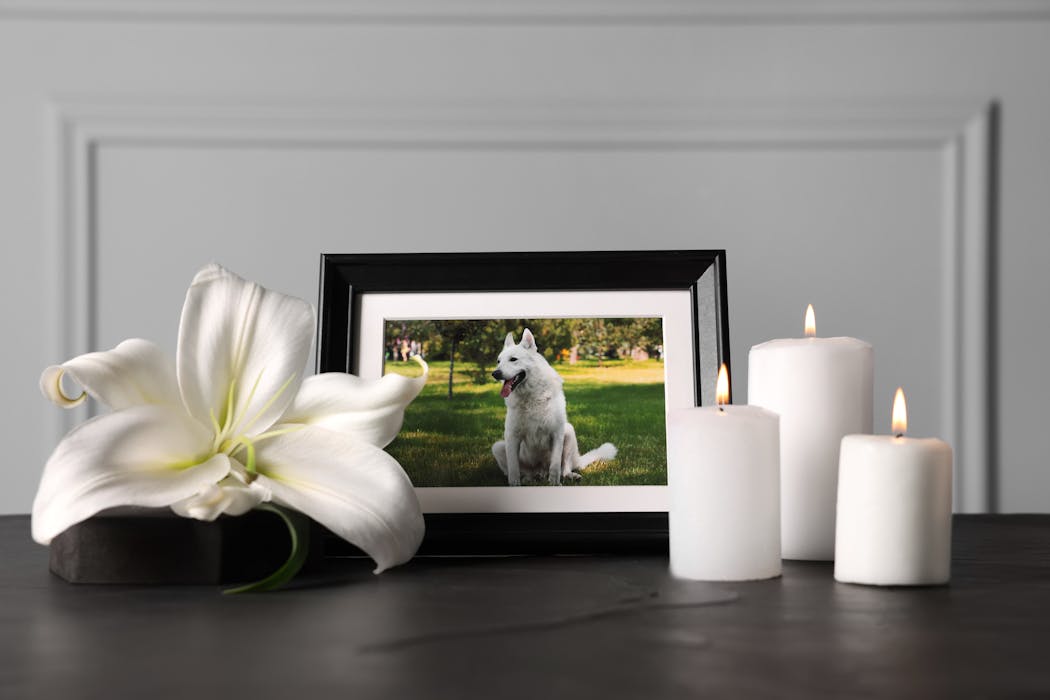
For one in five people, losing a pet has been more distressing than losing a human loved one. New research has revealed that 21% of those who experienced both types of bereavement found their pet’s death harder to bear.
The findings challenge how society views pet loss. It’s often dismissed as “disenfranchised grief” – a type of mourning that isn’t socially recognised or validated in the same way as other bereavements.
Yet for most pet owners, their animals are family. A 2025 survey by the animal charity RSPCA found that 99% consider their pets part of the family rather than “just a pet”. On Instagram, #dogsarefamily alone has 3.4 million posts.
The latest study of 975 British adults revealed something striking. Around 7.5% of people who’d lost pets met clinical criteria for “prolonged grief disorder” – comparable to rates following many human deaths.
 Many suffer from prolonged grief disorder.
fizkes/Shutterstock.com
Many suffer from prolonged grief disorder.
fizkes/Shutterstock.com
Grief typically involves a range of emotions including anger, denial, relief, guilt and sadness. Prolonged grief disorder, however, is more severe – the psychiatrists’ diagnostic manual, the DSM-V, defines it as “intense and persistent grief symptoms which are not only distressing in themselves but also associated with problems in functioning” lasting 12 months or more after a loss.
Currently, only human deaths qualify for this diagnosis. But the research, led by Philip Hyland of Maynooth University in Ireland, found no measurable differences in how prolonged grief disorder symptoms manifest, whether the loss involves a person or a pet.
Pet loss actually accounted for 8.1% of all prolonged grief disorder cases in the study – a higher proportion than many types of human losses. Those who had lost a pet were 27% more likely to develop prolonged grief disorder symptoms than those who hadn’t.
That figure sits between the rates for losing a parent (31%) and losing a sibling (21%). It’s higher than the rates for losing a close friend or other family member.
The findings suggest diagnostic criteria may be missing something important. What matters most isn’t who has died, but the quality and meaning of the relationship with the deceased.
One major risk factor for prolonged grief disorder is lack of social support after loss. People grieving pets often face this difficult period without adequate understanding from those around them, potentially leading to the disorder developing.
Many participants expressed embarrassment and shame about sharing their feelings. This can lead to isolation and make it harder to process the loss.
Lack of recognition and support
By excluding pet loss from diagnostic criteria, some people may struggle to access support or workplace adjustments during this difficult time. The lack of recognition can compound an already painful experience.
Pet death also comes with unique challenges. Owners may be involved in the decision to euthanise their pet – something that doesn’t happen with human loss.
For some, this brings comfort, feeling they’ve supported their pet at the end. For others, it’s traumatic – particularly if they’ve felt excluded from the decision by the vet or worried they acted too early. Traumatic circumstances are another risk factor for prolonged grief disorder.
While the study suggests the DSM-V diagnostic criteria may need updating, help is available now for those grieving a pet. The RSPCA offers a pet bereavement toolkit to help people navigate their loss.
Specialist counsellors also work with pet bereavement. Getting support from professionals who understand the significance of the bond between people and their pets could help reduce the risk of prolonged grief disorder, offering the understanding and compassion needed during such a painful time.
- Psychology
- Grief
- Pets
- Give me perspective
- Prolonged Grief Disorder
Events
Jobs
-
 Postdoctoral Research Fellow or Research Fellow
-
Research Fellow - AI and Digital Capabilities
-
Data & Reporting Analyst
-
Lecturer/Senior Lecturer, Terrestrial Ecology
-
Video producer
 Postdoctoral Research Fellow or Research Fellow
 Research Fellow - AI and Digital Capabilities
 Data & Reporting Analyst
 Lecturer/Senior Lecturer, Terrestrial Ecology
 Video producer
- Editorial Policies
- Community standards
- Republishing guidelines
- Analytics
- Our feeds
- Get newsletter
- Who we are
- Our charter
- Our team
- Partners and funders
- Resource for media
- Contact us
-
-
-
-
Copyright © 2010–2026, The Conversation