- News
- World
- Americas
- US politics
Trump calls to limit pharmacy benefit manager payments and implement cost-sharing plan to cut premium payments
John Bowden in Washington, D.C. & Andrew FeinbergThursday 15 January 2026 20:13 GMT- Bookmark
- CommentsGo to comments
Bookmark popover
Removed from bookmarks
Close popover
 CloseWhite House asked what would motivate Trump to invoke Insurrection Act
Sign up for the daily Inside Washington email for exclusive US coverage and analysis sent to your inbox
Get our free Inside Washington email
Get our free Inside Washington email
Email*SIGN UPI would like to be emailed about offers, events and updates from The Independent. Read our Privacy notice
The White House unveiled Donald Trump’s long-awaited health care proposal, which would implement and fund a new cost-sharing plan aimed at driving down premiums for plans on the Affordable Care Act exchanges while also providing direct payments to Americans.
Likely to be put into legislation in the form of health savings accounts, the president’s direct payments would be a substitute for the direct federal subsidies for Obamacare plans in the form of premium tax credits passed in 2022. Those tax credits affected the vast majority of plans on the exchanges.
Coupled with the new federally subsidized cost-sharing plan, the payments are aimed at offsetting the subsidies that expired in December. Millions of Americans were left facing massive rate increases for their plans in 2026 as Congress left in December without finding a legislative path to extend the premium tax credits.
The White House plan also calls for a crackdown on pharmacy benefit managers and broadening the scope of medicines that can be purchased over-the-counter, which the administration hopes will cut down on doctor’s appointments. It also asks Congress to codify the “most-favored nation” status the White House has used to secure trade agreements aimed at lowering drug prices.
White House press secretary Karoline Leavitt claimed that the plan was "the most comprehensive and bold agenda to lower healthcare costs to have ever been considered” at her Thursday briefing.
 open image in galleryDonald Trump has unveiled his health care plan after canceling an event about it last year. (AFP/Getty)
The announcement comes as the White House is facing a crunch. The expiration of subsidies in December were met with surging premium costs for many health plans on the public exchanges, and early data from the Centers for Medicare and Medicaid indicate that 1.5 million fewer Americans are subscribed to health plans on the Affordable Care Act exchanges as of the latest open enrollment period, when those price increases first started showing up.
The timing couldn’t be worse for Republicans, who are wading into an election year where they are defending twin majorities in the House and Senate while “affordability” remains the issue at the top of mind for most Americans. Persistently high consumer prices, energy costs and housing prices continue to dog the president as he touts his economic record over that of his predecessor, Joe Biden.
A group of Senate Republicans were meeting this week with Democrats to find a path forward on an extension of those subsidies for up to three years. But Thursday’s announcement from the White House could significantly complicate that effort, as one of the lead Republican negotiators told reporters that he would not be on board with a plan that didn’t have the support of a majority of the Senate GOP.
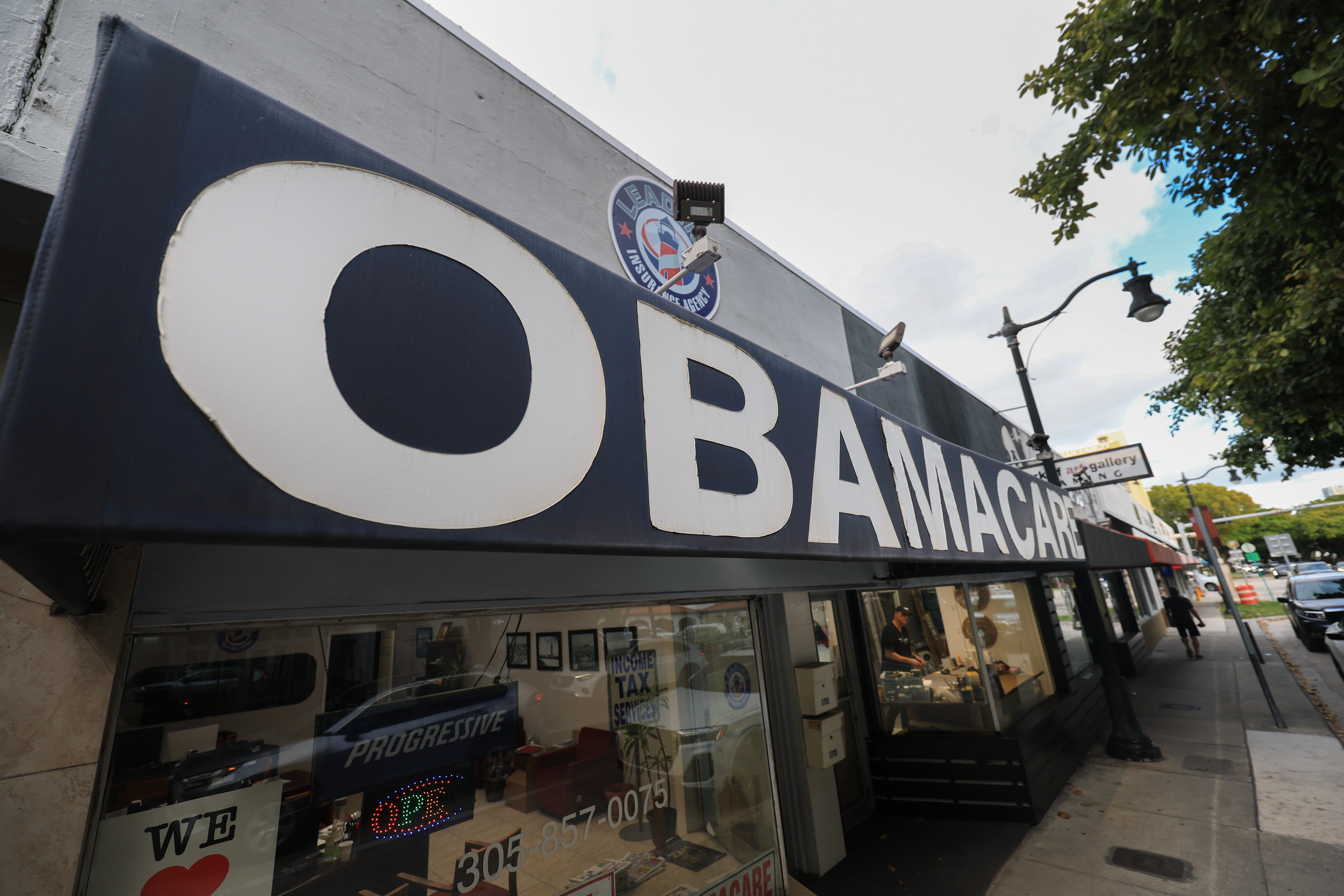 open image in galleryTrump has long promised a healthcare plan that would help fix Obamacare (Getty Images)
Trump’s plan for substituting direct payments for the tax credits that were previously transferred to insurance companies to subsidize Affordable Care Act exchange premiums stems from the president’s desire to give Americans cash and claim credit for it as he did during the Covid-19 pandemic.
But the White House couldn’t answer basic questions on how permitting Americans to purchase their own insurance plans with direct payments would provide lower costs than the exchange plans, which allow insurers to theoretically offer lower rates by signing up more customers to pool risk across a larger group.
Leavitt told reporters said Trump’s proposal would be “ensuring that that money is going directly back to the American people, and cutting the kickbacks that then raise those premiums” while describing the enhanced Covid-era tax credits as giveaway subsidies to insurers.
“This plan ... will stop sending big insurance companies billions of extra taxpayer funded subsidy payments and instead send that money directly to eligible Americans to allow them to buy the health insurance of their choice,” she said.
But when she was asked to guarantee that Americans who are currently dealing with skyrocketing premiums now that the tax credits have expired, she promised that “every single American who has health care in the United States will see lower costs as a result.”
“All of these proposals that are within the great health care plan are incredibly popular with the American people, and they will impact everyone, not just a small fraction of those who are within the health care marketplace, but every single American will continue to see their costs go down,” she said.
More about
White HouseDonald TrumpAffordable Care ActsubsidiesJoin our commenting forum
Join thought-provoking conversations, follow other Independent readers and see their replies
Comments